Advanced Orthodontics, Implants & Cosmetic Dentistry in Gangnam, Seoul · International Patient Concierge


Dental Guide
Can You Whiten Teeth After a Root Canal?
Wondering if you can whiten teeth after a root canal? Discover safe whitening options, risks, and treatments to restore your smile. Learn more today!
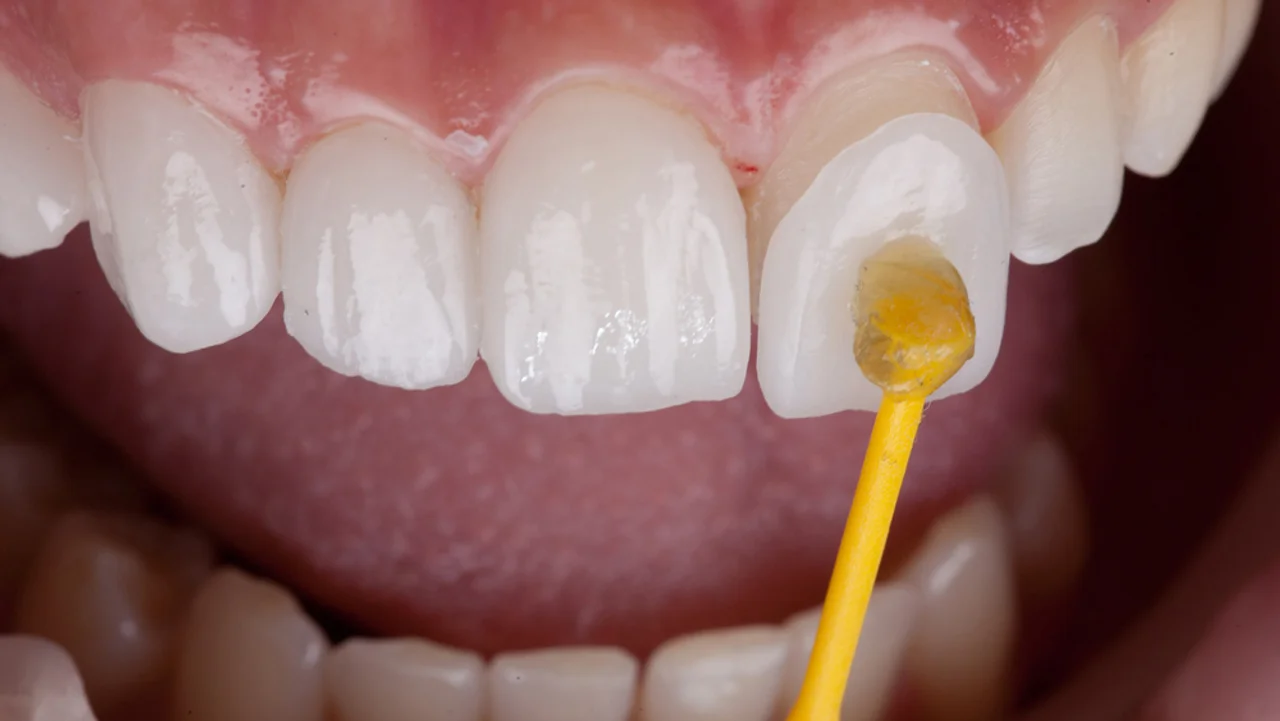
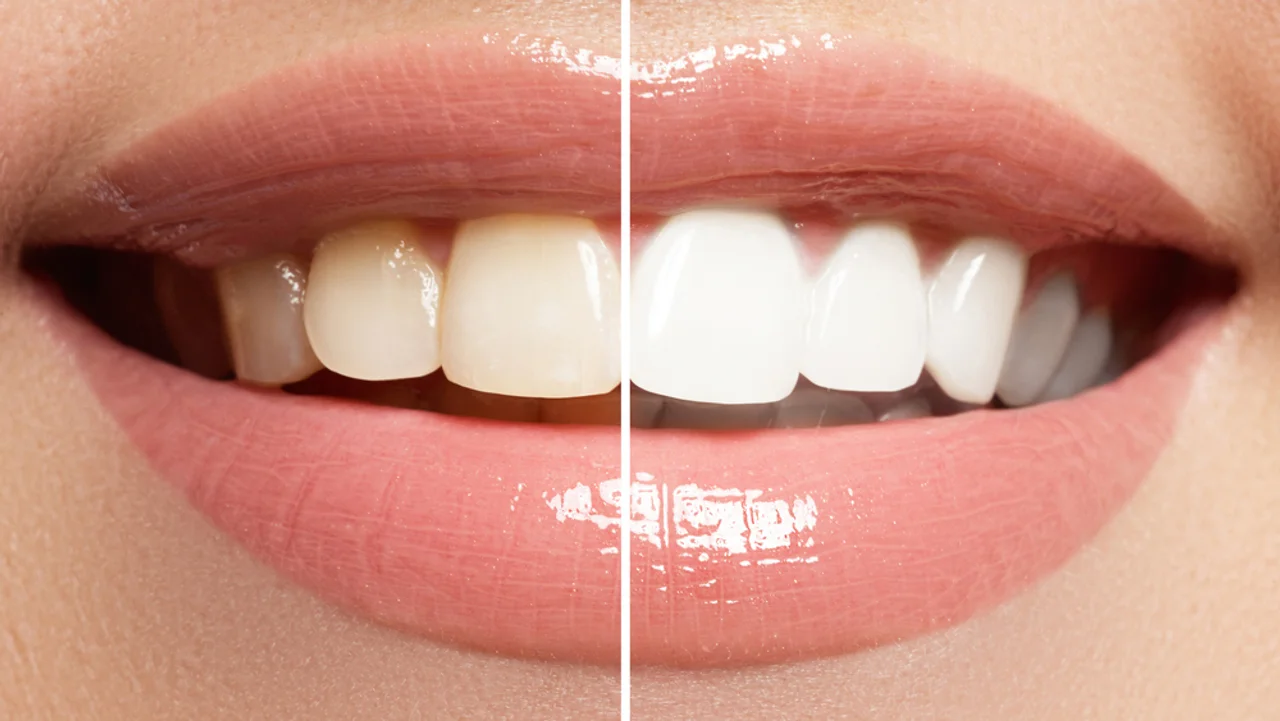
Schedule a ConsultationIntroduction: When Health Meets Aesthetics\n\n \n\nYou’ve done the right thing for your oral health—you’ve undergone a root canal treatment to save a tooth from infection. The pain is gone, the tooth is stable, and you can chew comfortably again. But as the weeks pass, you notice something you weren’t expecting: the treated tooth doesn’t look quite the same. It appears darker, slightly grayish, and no longer blends seamlessly with the rest of your smile.\n\nFor patients in Gangnam, Seoul—a district where aesthetics are just as valued as function—this change can be troubling. A bright, balanced smile isn’t only about appearance here; it’s often viewed as a reflection of self-care, professionalism, and confidence. So, it’s no surprise that one of the most common questions we hear at Smile View Dental Clinic is:\n\n**“Can I whiten a tooth after a root canal?”**\n\nThe answer is yes, but the approach is not the same as whitening natural, untreated teeth. In fact, whitening a root canal-treated tooth requires specialized techniques and professional care to achieve safe and natural-looking results.\n\n## Why Do Teeth Discolor After a Root Canal?\n\nMany patients are surprised when a tooth that has been “saved” with a root canal begins to look darker than the rest of their smile. While the treatment restores health and function, it also sets the stage for changes in the tooth’s natural appearance. Understanding why this happens helps patients feel reassured that the discoloration is not a failure of treatment—it’s simply part of the tooth’s biological transformation.\n\n### 1. Loss of Vitality\n\nA natural tooth contains living pulp tissue, which supplies blood flow and keeps the dentin hydrated. After a root canal, that tissue is removed to eliminate infection. Without this internal vitality, the tooth can gradually lose its translucency, appearing more opaque or dull compared to neighboring teeth.\n\nThink of it like a fresh flower versus one that has been dried. Both maintain their structure, but the fresh one reflects light differently, with more vibrancy and depth.\n\n### 2. Residual Tissue Breakdown\n\nEven when a root canal is expertly performed, microscopic remnants of blood or pulp tissue can remain in the chamber. Over time, these can break down and release pigments, staining the tooth from the inside. This is one of the most common causes of post-root canal darkening.\n\n### 3. Root Canal Filling Materials\n\n### 4. Restorative Work Over Time\n\n### 5. Natural Aging of the Tooth\n\n## Patient Story: The Hidden Concern\n\n## Whitening Options for Root Canal-Treated Teeth\n\n### 1. Traditional Whitening (External Bleaching)\n\n
 \n\n
More Dental Articles
Continue reading our clinical dental guides.
Korean Dental Anesthesia Market: Projected $80M Revenue by 2035
In the rapidly evolving landscape of South Korean healthcare, patient comfort has transitioned from a luxury to a baseline expectation.
Learn More

Why Non-Surgical Orthodontics Reduces Long-Term Dental Costs
The landscape of dental care in South Korea is shifting rapidly as patients increasingly prioritize long-term functional health over quick aesthetic fixes.
Learn More
Comparing Orthodontic Treatment Fees: Korea vs Japan Benchmarks
The decision to pursue orthodontic treatment is a long-term investment in both oral health and facial aesthetics. For patients in the Asia-Pacific region, South Korea and Japan represent the two most prominent hubs for advanced dental care.
Learn More