Advanced Orthodontics, Implants & Cosmetic Dentistry in Gangnam, Seoul · International Patient Concierge

Dental Guide
Can You Still Get an Implant with Gum Recession?
Wondering if you can get dental implants with gum recession? Discover your options, treatment solutions, and next steps. Learn more today!
Schedule a ConsultationIntroduction: When Gums and Confidence Collide\n\n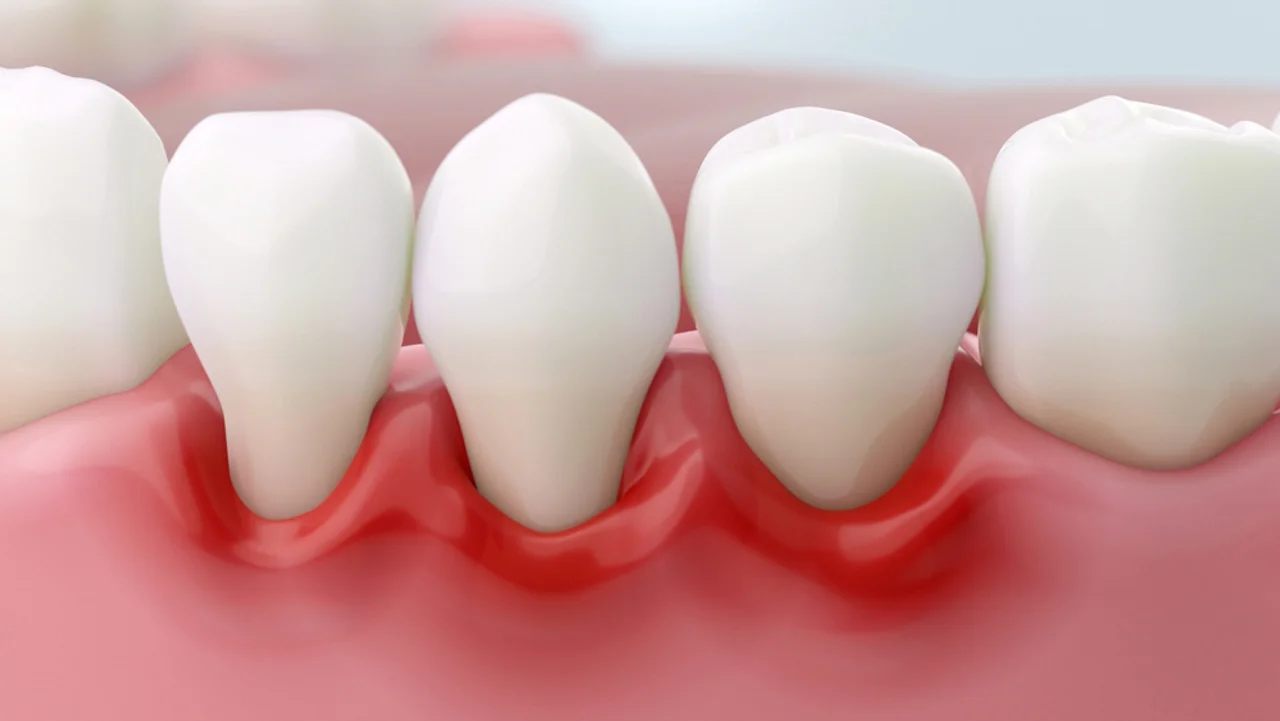 \n\nFor many people, a smile is more than just teeth. It’s confidence in a job interview, the comfort of laughing with friends, and even the subtle impression we leave when meeting someone new. That’s why losing a tooth—whether from decay, trauma, or gum disease—can feel like more than just a dental problem. It touches daily life.\n\nDental implants have become the gold standard for tooth replacement because they restore not only chewing function but also the natural appearance of a complete smile. Yet, for patients struggling with gum recession, a pressing question often arises:\n\n“Can I still get an implant if my gums have receded?”\n\nAt Smile View Dental Clinic in Gangnam, this concern is one we encounter regularly. Gum recession is especially common in adults over 30, and while it does introduce challenges, it doesn’t mean you have to abandon the dream of a healthy, natural-looking smile. With today’s regenerative techniques and advanced implantology, many patients with gum recession achieve excellent results.\n\nIn this article, we’ll explore why gum recession matters, what treatment options exist, and how a careful, patient-centered approach makes implants possible—even in cases that once seemed hopeless.\n\n## What Exactly Is Gum Recession?\n\nGum recession is the gradual pulling back of gum tissue, which exposes more of the tooth or its root. While often dismissed as a cosmetic issue at first, it’s actually a signal that something is affecting the balance between gum, bone, and tooth.\n\n### Common Signs You Might Notice\n\n- Teeth appear longer than they used to.\n\n- Sensitivity to cold, brushing, or sweet foods near the gumline.\n\n- A visible notch or groove where the gum has worn away.\n\n- Black triangles between teeth as gums recede.\n\n### Why Does It Happen?\n\n- Periodontal Disease: Chronic infection gradually destroys gum and bone.\n\n- Brushing Habits: Using too much force or a hard-bristled brush.\n\n- Thin Gum Tissue: Some people naturally have delicate gums that recede more easily.\n\n- Misaligned Teeth or Biting Forces: Pressure points accelerate gum wear.\n\n- Dental Trauma or Restorations: Old crowns, fillings, or clenching can contribute.\n\nIn Gangnam, patients often notice gum recession earlier than in other places—not because it’s more common here, but because people tend to pay close attention to aesthetics. Even small changes in gum contour are enough to prompt a consultation.\n\n## Why Gum Recession Complicates Dental Implants?\n\n## Can You Still Get an Implant with Gum Recession?\n\n
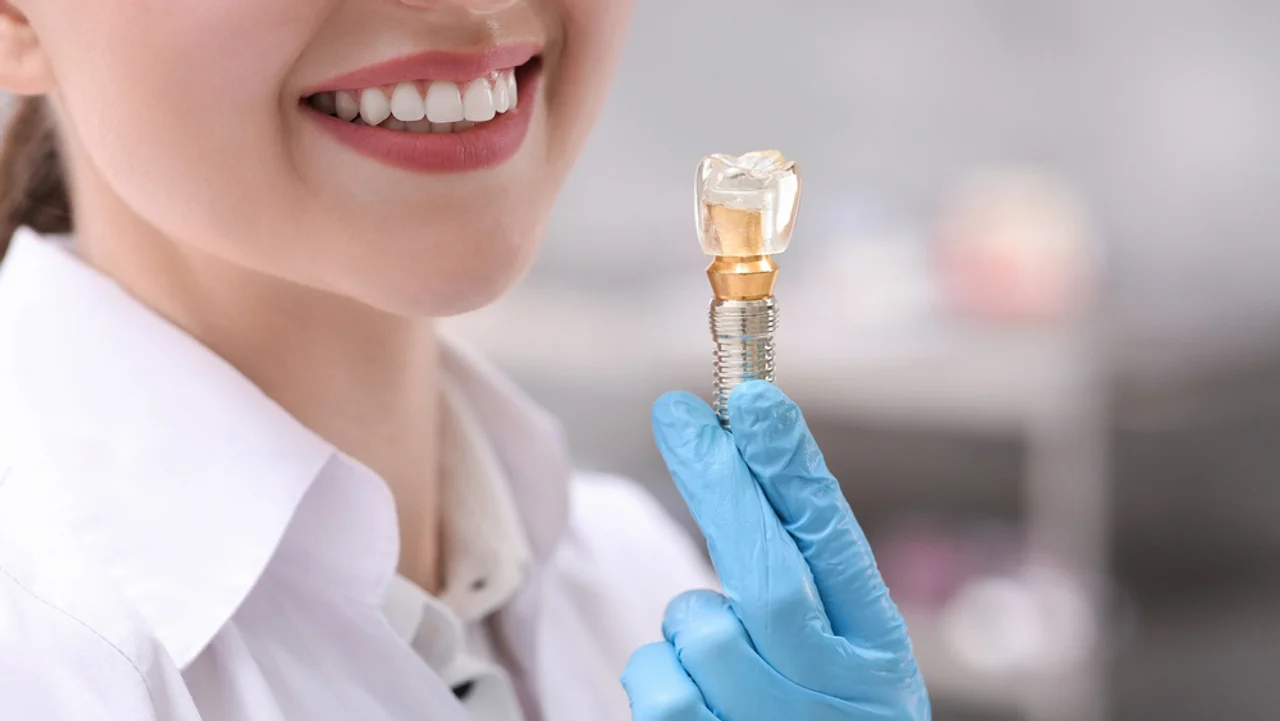 \n\n### 1. Bone Grafting\n\n

More Dental Articles
Continue reading our clinical dental guides.
Korean Dental Anesthesia Market: Projected $80M Revenue by 2035
In the rapidly evolving landscape of South Korean healthcare, patient comfort has transitioned from a luxury to a baseline expectation.
Learn More

Why Non-Surgical Orthodontics Reduces Long-Term Dental Costs
The landscape of dental care in South Korea is shifting rapidly as patients increasingly prioritize long-term functional health over quick aesthetic fixes.
Learn More
Comparing Orthodontic Treatment Fees: Korea vs Japan Benchmarks
The decision to pursue orthodontic treatment is a long-term investment in both oral health and facial aesthetics. For patients in the Asia-Pacific region, South Korea and Japan represent the two most prominent hubs for advanced dental care.
Learn More