Advanced Orthodontics, Implants & Cosmetic Dentistry in Gangnam, Seoul · International Patient Concierge

Dental Guide
Can You Get Veneers If You Grind Your Teeth?
Wondering if you can get veneers with teeth grinding? Learn how bruxism impacts veneers, options for protection, and if they’re right for you today.
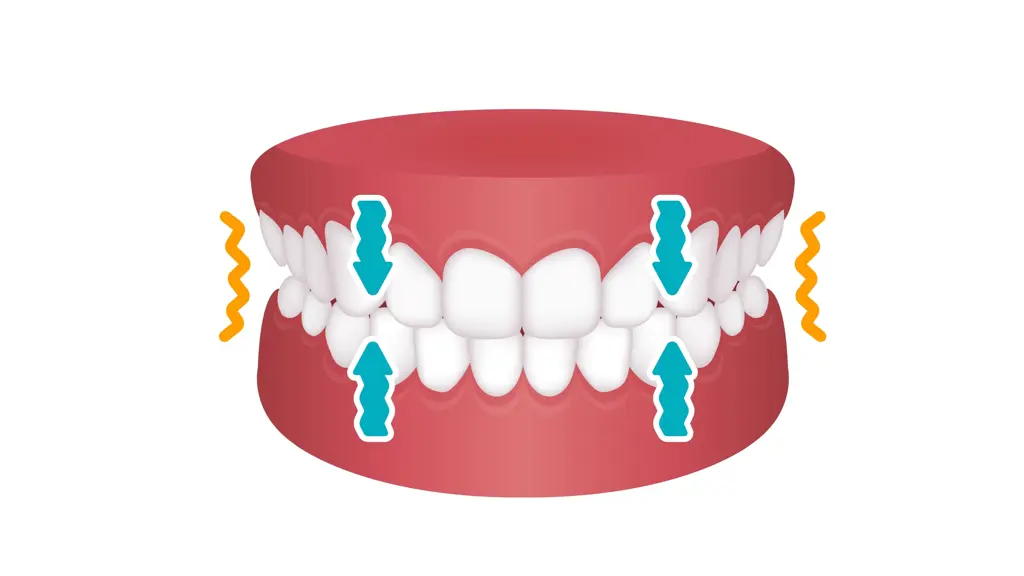
Schedule a ConsultationIntroduction: A Smile Dream Meets a Common Concern\n\n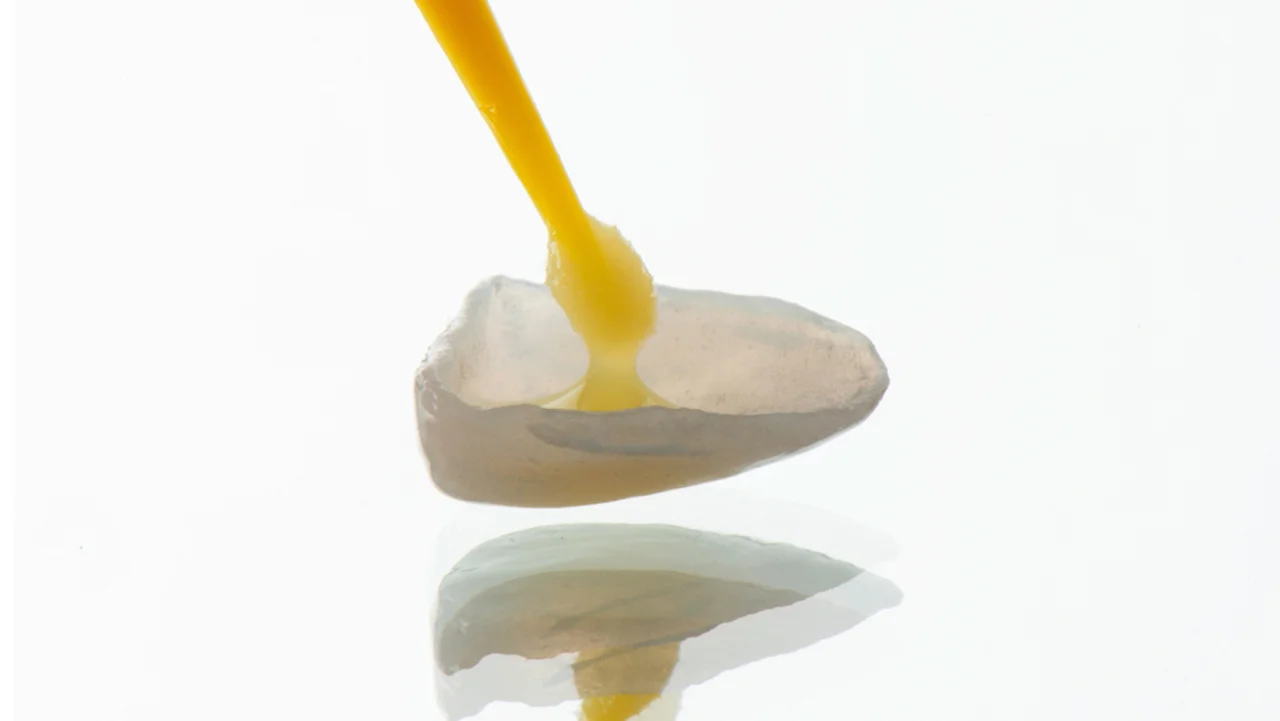 \n\nFor many people in Gangnam, the idea of a perfect smile is not just about vanity—it’s about confidence, self-expression, and even professional presence. A radiant smile can light up a conversation, ease social interactions, and create that lasting first impression. It’s no wonder veneers have become one of the most popular cosmetic dental treatments in Seoul.\n\nBut what if you grind your teeth?\n\nThis is the question many patients bring to Smile View Dental Clinic. They’ve seen friends or colleagues transform their smiles with veneers, and they’re excited to do the same. Yet, they worry: Will my grinding damage the veneers? Should I even get them at all?\n\nThe concern is valid. Grinding, or bruxism, is common—and it can impact how veneers perform over time. But the truth is, grinding doesn’t automatically disqualify you from getting veneers. What matters is how carefully the treatment is planned and managed.\n\nIn this guide, we’ll explore everything you need to know: what bruxism is, how it affects veneers, whether you’re a candidate, and how clinics like ours in Gangnam create smiles that stay beautiful even under grinding pressure.\n\n## Understanding Bruxism: The Silent Enemy of Teeth\n\nMany people underestimate the damage teeth grinding can cause—until they see the wear and tear for themselves. Bruxism isn’t just a bad habit; it’s often a hidden condition that slowly erodes your teeth, jaw, and overall oral health without you even realizing it.\n\n### What Is Bruxism?\n\nBruxism is the involuntary act of clenching, grinding, or gnashing your teeth. It can happen during the day, but more often it occurs at night when you have no control over it. Unlike chewing food, which applies vertical pressure, grinding produces side-to-side friction that is far more destructive.\n\nThere are two main types:\n\n- Sleep bruxism – Occurs while you’re asleep, often linked to stress, anxiety, or sleep disorders. Many patients don’t know they have it until a partner hears grinding noises or a dentist notices the signs.\n\n- Awake bruxism – Involves unconscious clenching during the day, usually triggered by concentration, work stress, or even posture.\n\nBoth forms can cause significant damage over time if left untreated.\n\n### Symptoms and Signs of Grinding\n\nYou might be surprised to learn that some patients don’t feel pain or notice obvious issues at first. That’s why bruxism is often called a “silent enemy.” Common indicators include:\n\n- Flattened or shortened teeth.\n\n- Chipped enamel or small cracks.\n\n- Increased tooth sensitivity.\n\n- Shorten the lifespan of veneers.\n\n
 \n\n
More Dental Articles
Continue reading our clinical dental guides.
Korean Dental Anesthesia Market: Projected $80M Revenue by 2035
In the rapidly evolving landscape of South Korean healthcare, patient comfort has transitioned from a luxury to a baseline expectation.
Learn More

Why Non-Surgical Orthodontics Reduces Long-Term Dental Costs
The landscape of dental care in South Korea is shifting rapidly as patients increasingly prioritize long-term functional health over quick aesthetic fixes.
Learn More
Comparing Orthodontic Treatment Fees: Korea vs Japan Benchmarks
The decision to pursue orthodontic treatment is a long-term investment in both oral health and facial aesthetics. For patients in the Asia-Pacific region, South Korea and Japan represent the two most prominent hubs for advanced dental care.
Learn More