Advanced Orthodontics, Implants & Cosmetic Dentistry in Gangnam, Seoul · International Patient Concierge


Dental Guide
Can Whitening Remove Fluorosis or White Spots?
Whitening treatments don't remove fluorosis or white spots. Explore other options like microabrasion or bonding for effective treatment.
Schedule a ConsultationIntroduction\n\n \n\nA radiant, healthy smile can leave a lasting impression, boosting both confidence and self-esteem. Unfortunately, many individuals face challenges with the appearance of their teeth, especially when it comes to conditions like fluorosis or white spots. These dental issues, while not typically painful, can significantly affect the aesthetic appeal of your smile, leaving many feeling self-conscious about their teeth. At Smile View Dental, we believe that everyone deserves a smile they’re proud to show off, which is why we offer a range of treatments tailored to address the causes of these imperfections.\n\nWhile professional whitening treatments are often considered a go-to solution for discolored teeth, it’s essential to understand that they may not be the best answer for treating fluorosis or white spots on teeth. Whitening treatments primarily aim to address uniform staining, and while they can improve the overall color of teeth, they cannot restore the enamel or effectively deal with uneven discoloration caused by conditions like fluorosis or demineralization. In this article, we will discuss what fluorosis and white spots are, how they form, and how Smile View Dental can help you achieve a healthy, beautiful smile through specialized treatments.\n\n## What is Fluorosis?\n\nFluorosis is a cosmetic dental condition that results from excessive fluoride exposure during the early years of tooth development—typically when a child is under the age of eight. During this stage, the teeth are still forming, and the enamel is highly sensitive to environmental factors. While fluoride plays a crucial role in strengthening teeth and preventing cavities, too much fluoride can disrupt the development of the enamel, leading to the formation of white spots or streaks.\n\nFluorosis is typically not painful, but the aesthetic impact can be significant. The severity of fluorosis can vary, with mild cases resulting in small, white, opaque spots on the teeth, while more severe cases may cause brown stains, pitting, and even surface damage to the enamel. Fluorosis is most commonly seen in areas where the levels of fluoride in the drinking water exceed the recommended levels, or in individuals who consumed excessive fluoride from supplements, toothpaste, or other sources during the enamel formation period.\n\n### The Types of Fluorosis:\n\n1. Mild Fluorosis: This type of fluorosis is characterized by small, white streaks or spots that are often barely noticeable. The appearance of the teeth may be a little uneven, but the enamel is still intact.\n\n## White Spots on Teeth: Causes and Concerns\n\n
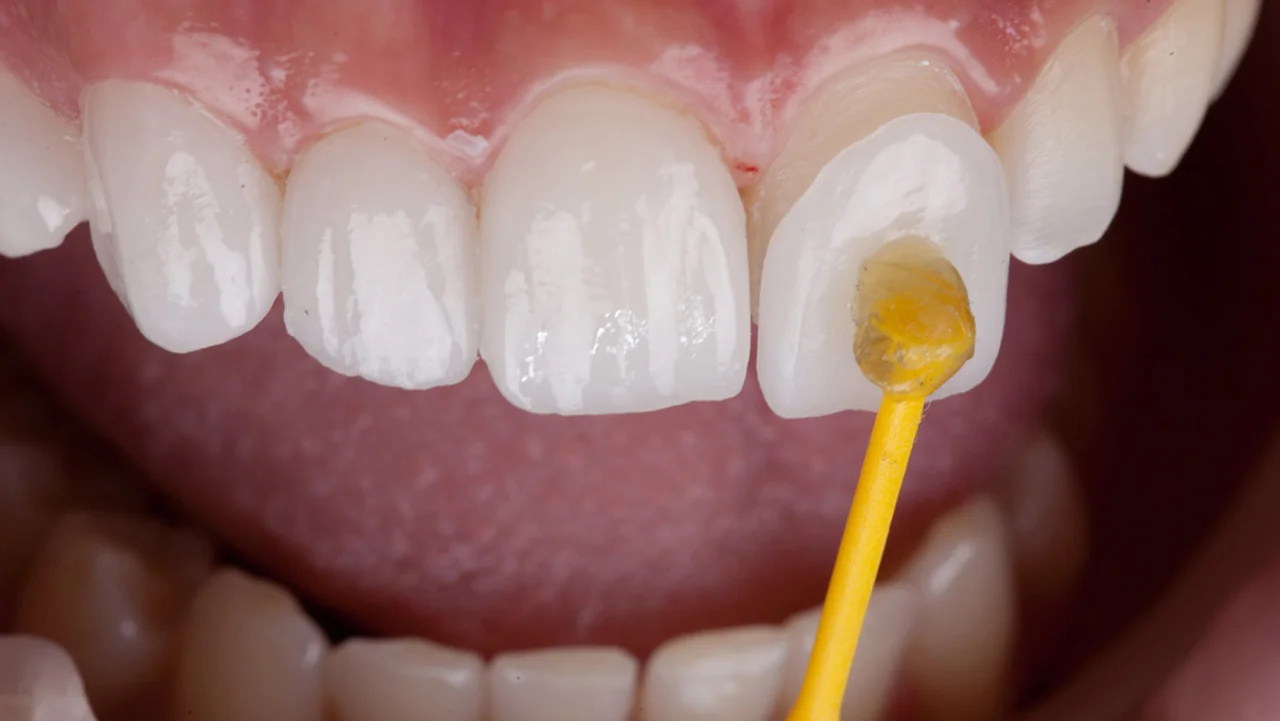
 \n\n### 1. Microabrasion\n\n
More Dental Articles
Continue reading our clinical dental guides.

Korean Dental Anesthesia Market: Projected $80M Revenue by 2035
In the rapidly evolving landscape of South Korean healthcare, patient comfort has transitioned from a luxury to a baseline expectation.
Learn More

Why Non-Surgical Orthodontics Reduces Long-Term Dental Costs
The landscape of dental care in South Korea is shifting rapidly as patients increasingly prioritize long-term functional health over quick aesthetic fixes.
Learn More

Comparing Orthodontic Treatment Fees: Korea vs Japan Benchmarks
The decision to pursue orthodontic treatment is a long-term investment in both oral health and facial aesthetics. For patients in the Asia-Pacific region, South Korea and Japan represent the two most prominent hubs for advanced dental care.
Learn More