Advanced Orthodontics, Implants & Cosmetic Dentistry in Gangnam, Seoul · International Patient Concierge


Dental Guide
Can TMJ Affect Your Hearing? Here’s What to Watch
TMJ can impact your hearing with symptoms like ringing or ear pain. Discover the link between TMJ and hearing issues—learn what signs to watch for!
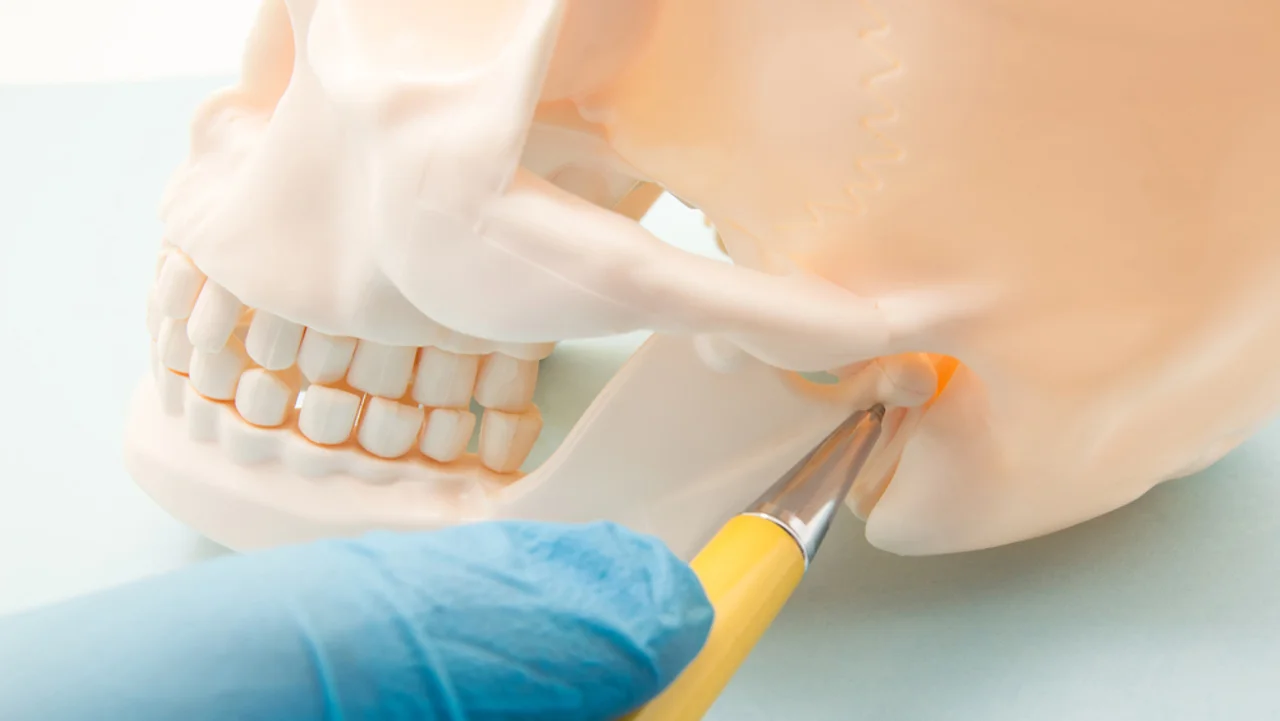
Schedule a ConsultationIntroduction\n\n \n\nIt often starts as something small — a faint ringing in your ear, a feeling of fullness after a long day, or an odd sense that sounds aren’t as clear as they used to be. You might visit an ENT clinic, undergo hearing tests, and still walk away with no explanation. What many people don’t realize is that the source of the problem might not be in the ear at all — but in the jaw.\n\nAt Smile View Dental Clinic in Gangnam, we often see patients who come in for jaw pain or clicking, only to discover that their hearing issues are part of a larger condition known as TMJ disorder. Because the temporomandibular joint (TMJ) sits just millimeters away from the ear canal, even minor dysfunctions in this joint can lead to unexpected ear symptoms — from tinnitus to muffled hearing.\n\nUnderstanding how the jaw and ear are connected isn’t just interesting anatomy — it’s often the key to lasting relief. In this article, we’ll explore how TMJ can affect your hearing, what symptoms to watch for, and when it’s time to seek a professional evaluation.\n\n## Understanding the TMJ: A Small Joint With Big Influence\n\nThe temporomandibular joint (TMJ) connects your lower jaw (mandible) to your skull, located just in front of each ear. It allows you to talk, chew, yawn, and express emotions—essentially, it’s one of the most used and complex joints in your body.\n\nBecause of its close anatomical relationship with the ear canal and middle ear, inflammation or tension in the TMJ can easily influence ear-related structures. When something goes wrong in this area, it can create a cascade of symptoms that seem unrelated at first—like ear pain, ringing, or reduced hearing clarity.\n\n## How TMJ Disorders Can Affect Hearing?\n\nMany people are surprised to learn that TMJ disorders (TMD) are not just about jaw pain or clicking sounds. They can also create sensory distortions that mimic ear problems.\n\nHere’s how that connection works:\n\n### 1. Shared Nerve Pathways\n\nThe TMJ and the middle ear share nerve connections, particularly through the trigeminal nerve. When the jaw muscles become tight or inflamed, they can send referred pain signals to the ear, creating sensations like pressure, discomfort, or ringing (tinnitus).\n\n### 2. Muscle and Ligament Influence\n\n### 3. Joint Inflammation and Pressure Changes\n\nWhen inflammation develops in the TMJ, the swelling can exert pressure on surrounding tissues near the ear. This can lead to temporary hearing changes or a sense of imbalance. In severe cases, some patients even report mild dizziness or vertigo.\n\n## Common Ear Symptoms Linked to TMJ Disorders\n\n
 \n\n
More Dental Articles
Continue reading our clinical dental guides.

Korean Dental Anesthesia Market: Projected $80M Revenue by 2035
In the rapidly evolving landscape of South Korean healthcare, patient comfort has transitioned from a luxury to a baseline expectation.
Learn More

Why Non-Surgical Orthodontics Reduces Long-Term Dental Costs
The landscape of dental care in South Korea is shifting rapidly as patients increasingly prioritize long-term functional health over quick aesthetic fixes.
Learn More

Comparing Orthodontic Treatment Fees: Korea vs Japan Benchmarks
The decision to pursue orthodontic treatment is a long-term investment in both oral health and facial aesthetics. For patients in the Asia-Pacific region, South Korea and Japan represent the two most prominent hubs for advanced dental care.
Learn More