Advanced Orthodontics, Implants & Cosmetic Dentistry in Gangnam, Seoul · International Patient Concierge

Dental Guide
Can Orthodontics Help with Sleep Apnea?
Discover how orthodontics can help treat sleep apnea by aligning your bite and airway. Explore treatment options—schedule a consultation today!
Schedule a ConsultationIntroduction\n\n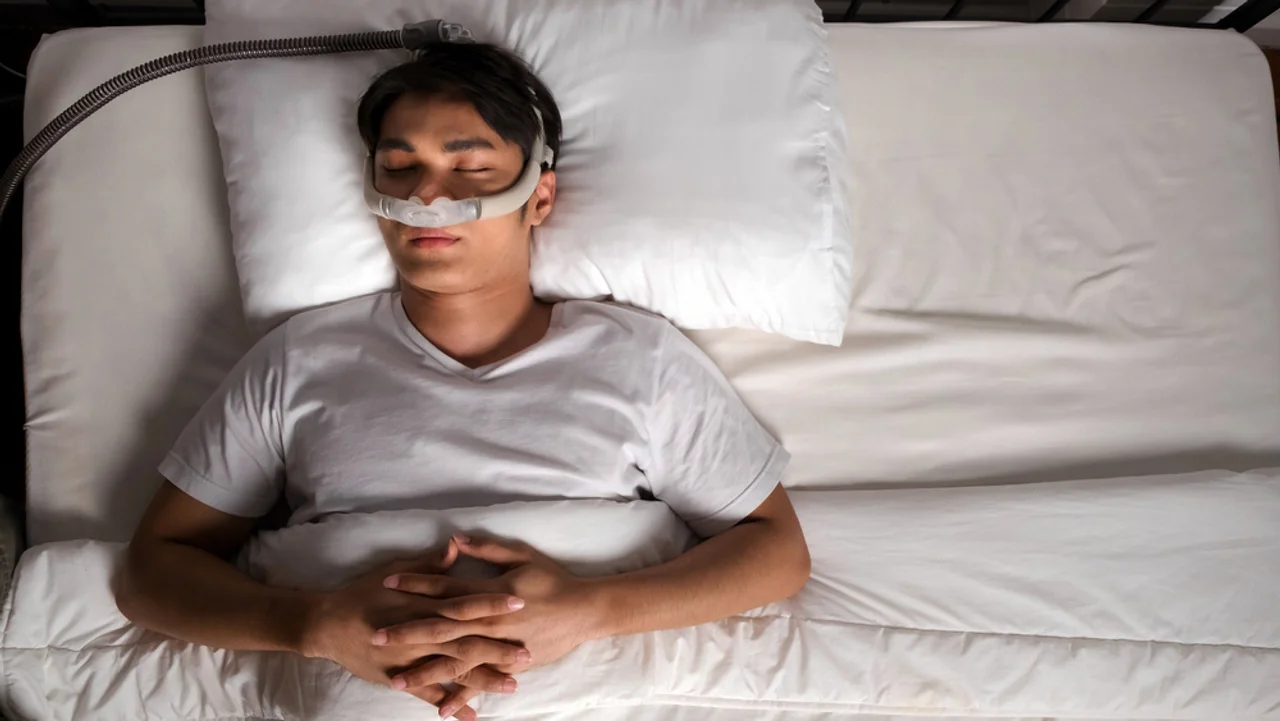 \n\nImagine this: you're in your early 40s, generally healthy, but for years you've struggled with poor sleep. You snore loudly, wake up feeling groggy, and your partner occasionally nudges you awake when you stop breathing for a few seconds. You've tried sleep apps, herbal remedies, and even nasal strips. But what if the solution wasn't in your throat or lungs, but in your jaw?\n\nAt Smile View Dental Clinic in Gangnam, we often see patients who are surprised to learn that orthodontics can play a meaningful role in managing obstructive sleep apnea (OSA). With precision diagnostics, modern imaging, and interdisciplinary care, orthodontics is no longer just about straightening teeth — it can help reshape the way you breathe at night. But how does that work? And who might benefit?\n\n## What is Obstructive Sleep Apnea (OSA)?\n\nObstructive sleep apnea is a condition where the airway becomes partially or completely blocked during sleep. This causes disrupted breathing, leading to fragmented sleep, oxygen desaturation, and long-term health risks like hypertension, heart disease, stroke, Type 2 diabetes, and even cognitive decline. Common signs include loud snoring, gasping or choking during sleep, daytime fatigue, poor concentration, irritability, mood swings, and morning headaches.\n\nOSA is typically diagnosed through overnight polysomnography (a sleep study) and treated using CPAP machines, positional therapy, weight loss, or—in some cases—surgical interventions. However, structural issues in the jaw and facial bones often go overlooked. That's where orthodontics comes in — especially for patients whose airway obstruction is linked to craniofacial anatomy.\n\n## The Structural Connection: How Orthodontics Can Improve Airflow\n\nOrthodontics primarily focuses on the alignment of teeth and jaws, but since these structures also frame the airway, their positioning can significantly affect how well you breathe during sleep.\n\n### 1. Jaw Position and Airway Patency\n\nWhen the lower jaw (mandible) is recessed, it can cause the tongue to fall back and obstruct the airway. Mandibular advancement—either via orthodontic appliances or surgery—can bring the jaw forward, increasing airway space and reducing collapse during sleep. This isn’t simply a cosmetic change; it's a functional rebalancing of the oral and airway architecture. In some cases, forward jaw movement can increase airway volume by as much as 10–15%, enough to alleviate snoring and apneic events.\n\n### 2. Maxillary Expansion in Children\n\n### 3. Mandibular Advancement Devices (MADs)\n\n### 4. Cephalometric and 3D Airway Analysis\n\n
 \n\n### In Children:\n\n

More Dental Articles
Continue reading our clinical dental guides.
Korean Dental Anesthesia Market: Projected $80M Revenue by 2035
In the rapidly evolving landscape of South Korean healthcare, patient comfort has transitioned from a luxury to a baseline expectation.
Learn More

Why Non-Surgical Orthodontics Reduces Long-Term Dental Costs
The landscape of dental care in South Korea is shifting rapidly as patients increasingly prioritize long-term functional health over quick aesthetic fixes.
Learn More

Comparing Orthodontic Treatment Fees: Korea vs Japan Benchmarks
The decision to pursue orthodontic treatment is a long-term investment in both oral health and facial aesthetics. For patients in the Asia-Pacific region, South Korea and Japan represent the two most prominent hubs for advanced dental care.
Learn More