Advanced Orthodontics, Implants & Cosmetic Dentistry in Gangnam, Seoul · International Patient Concierge


Dental Guide
Can Jaw Tension Affect Facial Symmetry?
Discover how jaw tension can impact facial symmetry, from muscle imbalances to asymmetrical features. Learn more and find relief today!
Schedule a ConsultationIntroduction\n\n \n\nIn the world of aesthetics, especially in a place like Gangnam where beauty is both cultural and personal, facial symmetry is more than skin deep. It's often seen as a sign of health, balance, and harmony. But what many people don’t realize is that even the most subtle facial asymmetries can originate not from genetics or aging, but from something far more manageable: jaw tension.\n\nAt Smile View Dental Clinic, we specialize in uncovering the hidden causes behind facial imbalances, helping patients achieve natural beauty through a fusion of precision diagnostics and minimally invasive treatments. This article explores how jaw tension can quietly but significantly impact your facial symmetry — and what you can do about it.\n\nYou might be surprised to learn that jaw tension isn't just something you feel — it's something you can see. For many patients in Seoul, especially in Gangnam where facial aesthetics are deeply valued, a subtle shift in the jawline or facial proportions is enough to raise concern. But what most don’t realize is that this shift often begins with something as simple as clenching or grinding your teeth.\n\nAt Smile View Dental Clinic, we frequently see patients who come in asking about veneers, Invisalign, or facial contouring. What they sometimes don’t expect is that their facial imbalance or asymmetry might actually stem from jaw tension. The good news? When diagnosed early and treated comprehensively, these issues are not only manageable — they can often be reversed.\n\n## The Subtle but Visible Effects of Jaw Tension\n\nJaw tension, whether due to stress, poor posture, or bite misalignment, can lead to overdevelopment of the jaw muscles, particularly the masseter. Over time, this can result in:\n\n- A visibly stronger or bulkier jawline on one side\n\n- Asymmetrical smile or lip position\n\n- Headaches or facial pain that contribute to a "tired" appearance\n\n- Imbalanced muscle movement when speaking or smiling\n\nThese changes are gradual, but once they take hold, patients often notice them in photos or mirrors. What began as an invisible stress response can evolve into a permanent shift in facial proportions.\n\nAnd it's not just aesthetics. Many patients report accompanying symptoms: tightness around the temples, neck strain, or even clicking sounds when they chew. These physical signs further reinforce the link between facial function and facial form.\n\n## What Causes Jaw Tension?\n\nLet’s break down a few key factors:\n\n### 1. Bruxism (Teeth Grinding or Clenching)\n\n
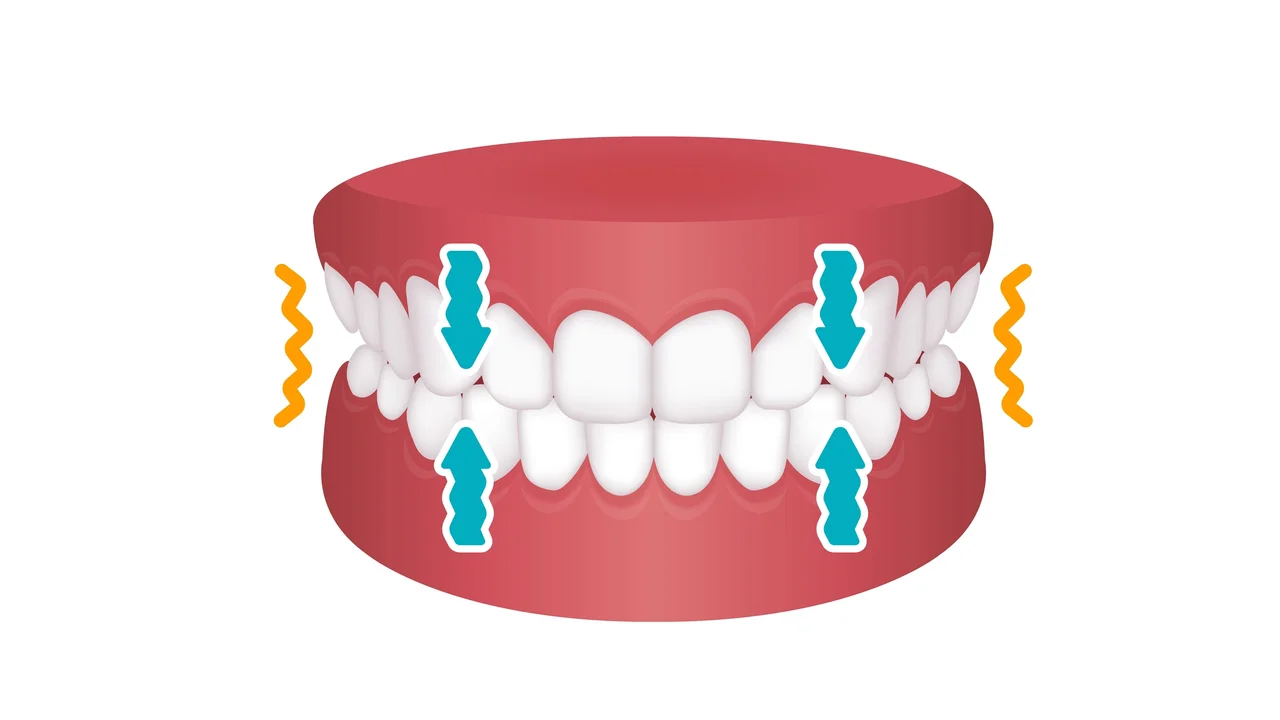 \n\n### 2. TMD (Temporomandibular Joint Disorder)\n\n### 3. Malocclusion (Poor Bite Alignment)\n\n### 4. Postural Imbalance\n\n
More Dental Articles
Continue reading our clinical dental guides.
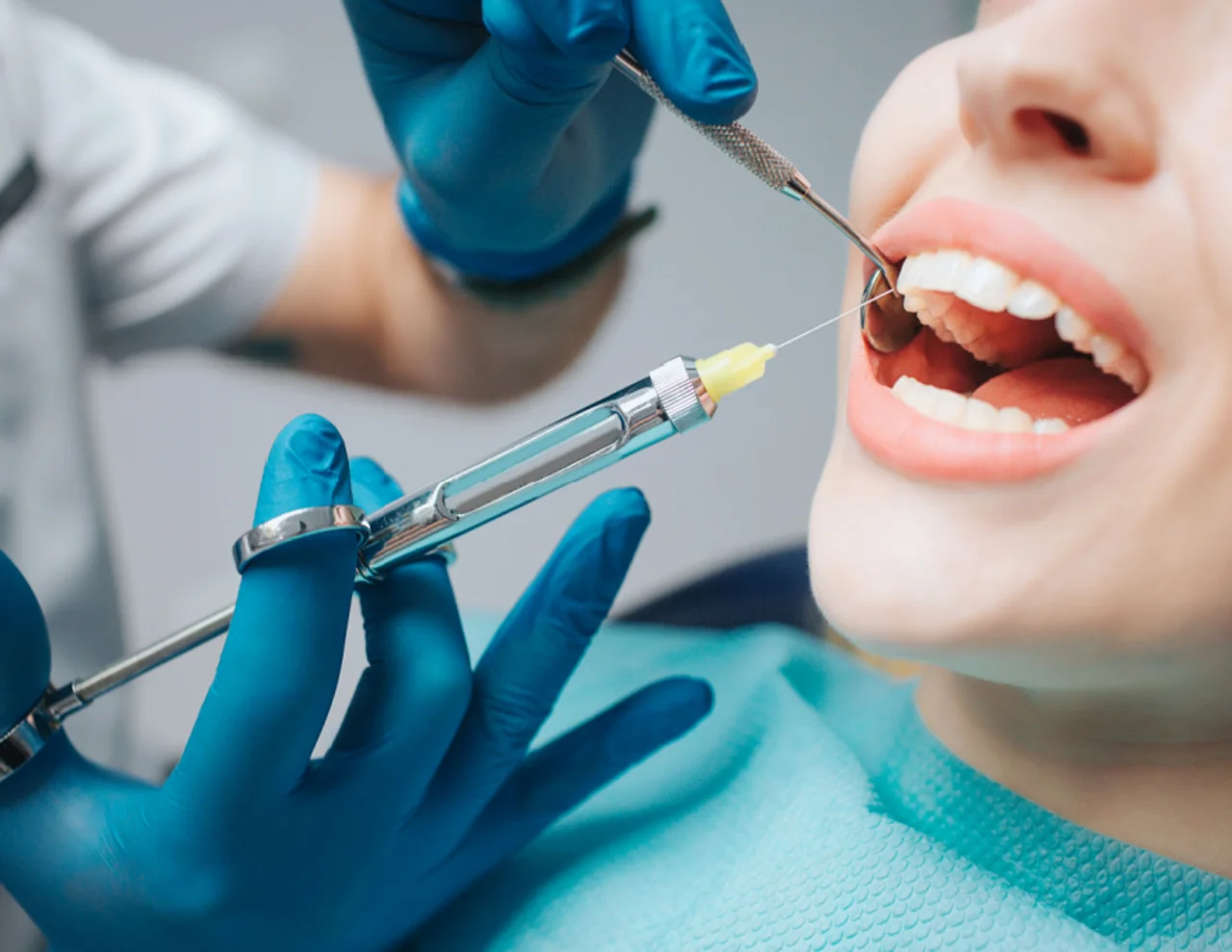
Korean Dental Anesthesia Market: Projected $80M Revenue by 2035
In the rapidly evolving landscape of South Korean healthcare, patient comfort has transitioned from a luxury to a baseline expectation.
Learn More
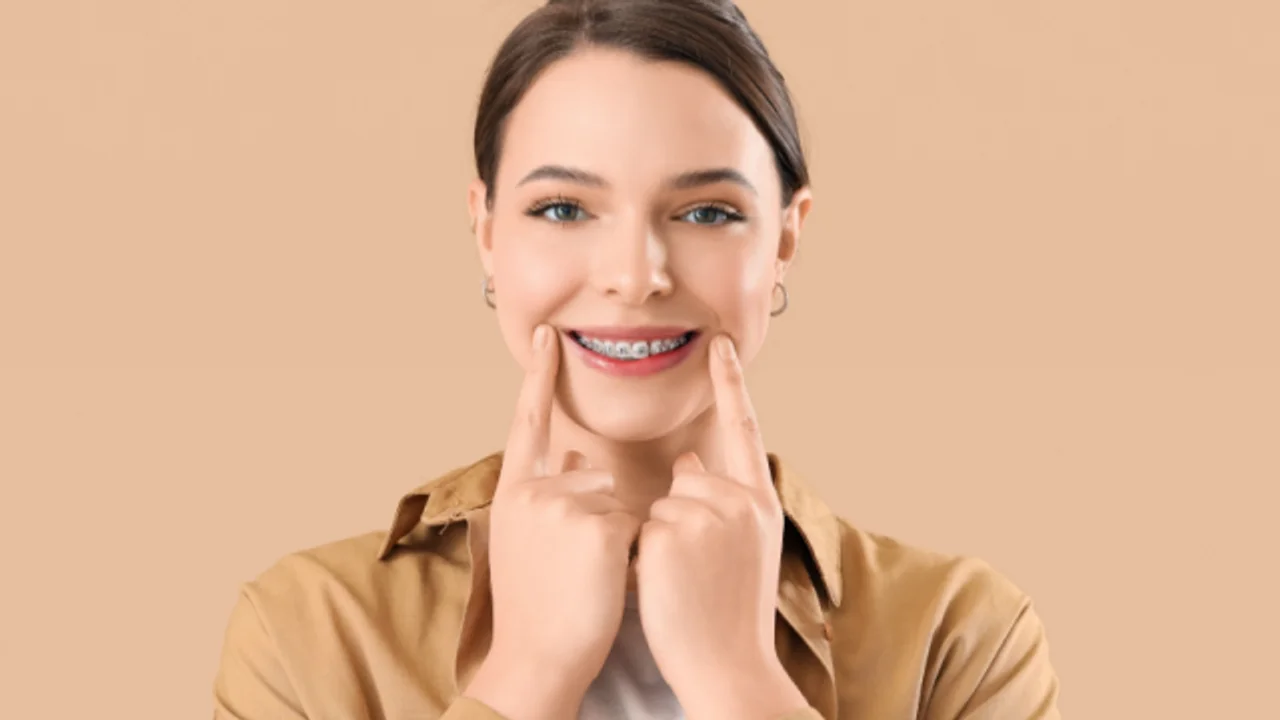
Why Non-Surgical Orthodontics Reduces Long-Term Dental Costs
The landscape of dental care in South Korea is shifting rapidly as patients increasingly prioritize long-term functional health over quick aesthetic fixes.
Learn More
Comparing Orthodontic Treatment Fees: Korea vs Japan Benchmarks
The decision to pursue orthodontic treatment is a long-term investment in both oral health and facial aesthetics. For patients in the Asia-Pacific region, South Korea and Japan represent the two most prominent hubs for advanced dental care.
Learn More