Advanced Orthodontics, Implants & Cosmetic Dentistry in Gangnam, Seoul · International Patient Concierge

Dental Guide
Can I Get an Implant If I Have Diabetes or Other Health Issues?
Wondering if dental implants are safe with diabetes or health issues? Discover risks, benefits & candidacy factors. Learn more from our expert guide today!
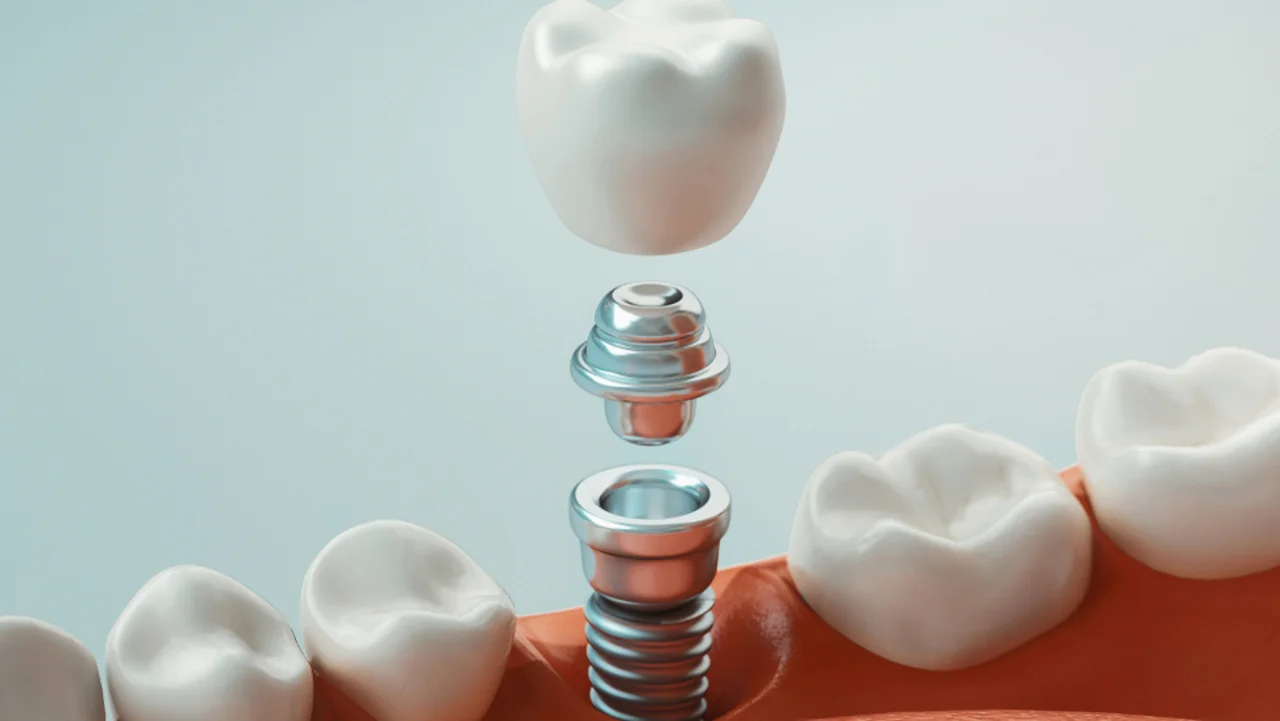
Schedule a ConsultationIntroduction: A Common Question with a Complex Answer\n\n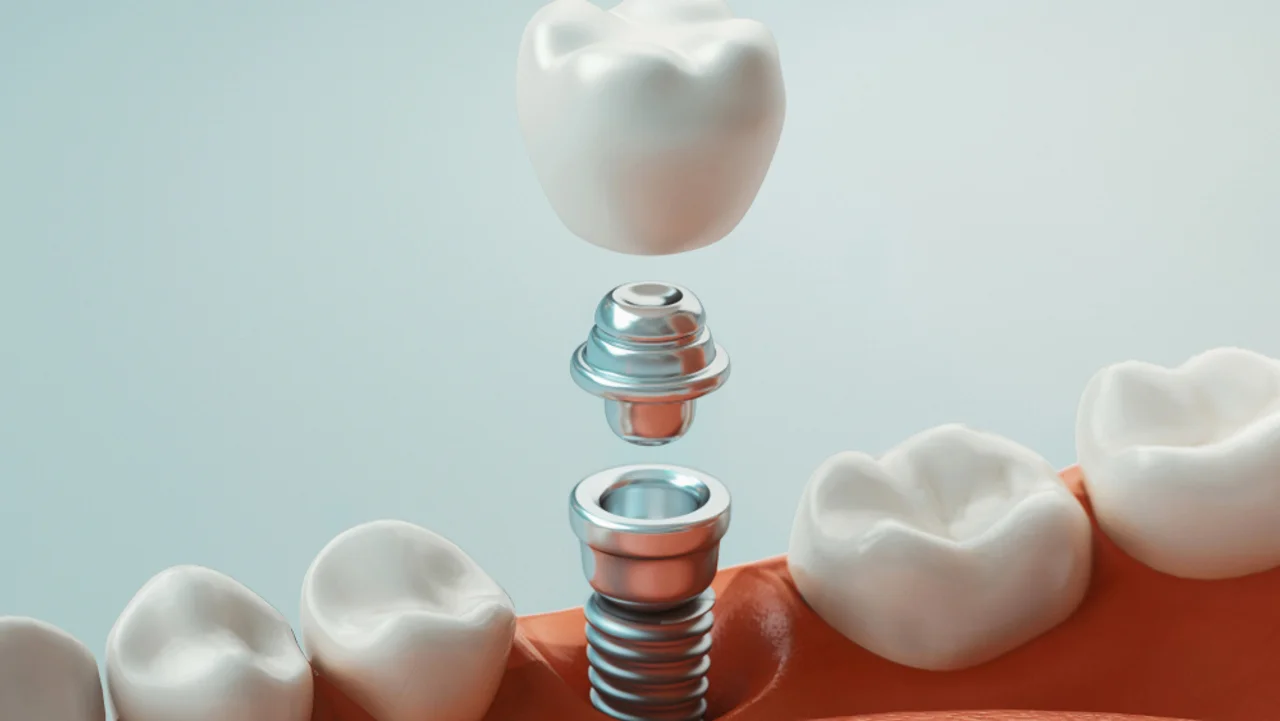 \n\nNot long ago, a gentleman in his mid-50s visited our clinic here in Gangnam. He had lost a molar and wanted to replace it with a dental implant. But before I could even begin my examination, he said, half-apologetically:\n\n"Doctor, I have diabetes. Another dentist told me I might not be a good candidate for implants. Is that true?"\n\nThis is not an unusual conversation. Every week at Smile View Dental Clinic, we meet patients who worry that their health conditions—whether it’s diabetes, high blood pressure, osteoporosis, or another chronic illness—might prevent them from restoring their smile with implants.\n\nThe truth is, dental implants are not just about teeth. They’re about the body’s healing ability, bone health, and overall systemic balance. That’s why patients with chronic conditions often feel uncertain. But here’s the good news: in many cases, with the right planning and proper medical management, implants are still possible—and can be highly successful.\n\nIn this article, I want to share how health conditions like diabetes intersect with implant dentistry, why careful preparation makes all the difference, and how our integrated approach at Smile View Dental Clinic helps patients—even those with complex medical histories—enjoy confident, lasting smiles.\n\n## Why Your Medical Health Matters for Dental Implants?\n\nDental implants are often considered the gold standard for tooth replacement. Unlike removable dentures or traditional bridges, implants fuse with the jawbone through a natural healing process called osseointegration. This fusion creates a stable, permanent foundation that feels and functions like a natural tooth.\n\nBut here’s the part most patients don’t hear: the success of osseointegration depends heavily on your body’s ability to heal, fight infection, and maintain healthy bone. Chronic health conditions can influence these processes. For example:\n\n- Diabetes may affect blood flow and slow tissue healing.\n\n- Osteoporosis can reduce bone density, making anchoring more complex.\n\n- Heart conditions or blood-thinning medications require surgical caution.\n\nIn other words, while dental implants are a mechanical solution, their success is deeply biological. That’s why your overall health is just as important as the implant itself.\n\n## Diabetes and Dental Implants: A Closer Look\n\n### Why Diabetes Raises Concerns?\n\nDiabetes is the condition patients most frequently ask about. The concerns are valid:\n\n### The Key: Control, Not Exclusion\n\n
 \n\n## Other Health Conditions and What They Mean for Implants\n\n

More Dental Articles
Continue reading our clinical dental guides.
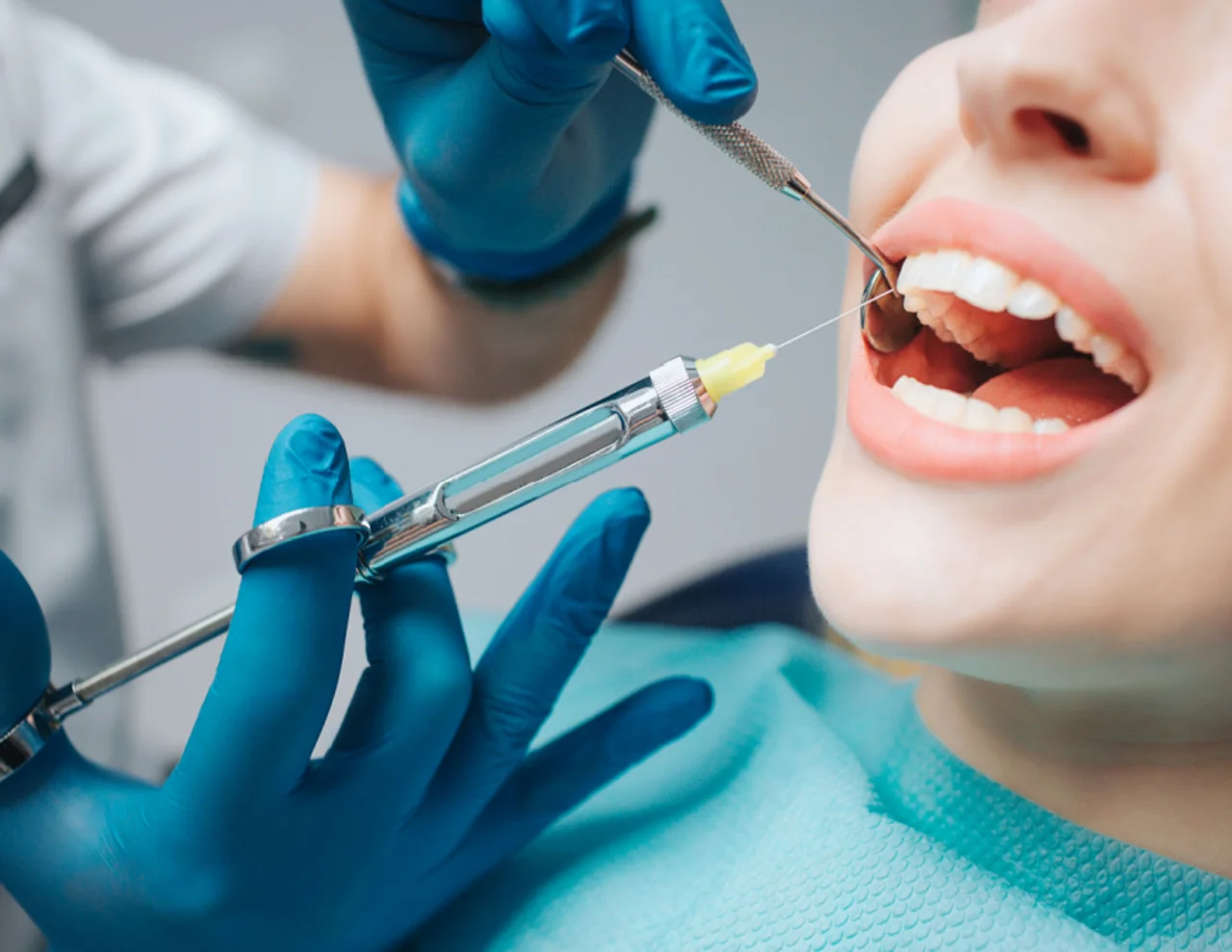
Korean Dental Anesthesia Market: Projected $80M Revenue by 2035
In the rapidly evolving landscape of South Korean healthcare, patient comfort has transitioned from a luxury to a baseline expectation.
Learn More

Why Non-Surgical Orthodontics Reduces Long-Term Dental Costs
The landscape of dental care in South Korea is shifting rapidly as patients increasingly prioritize long-term functional health over quick aesthetic fixes.
Learn More

Comparing Orthodontic Treatment Fees: Korea vs Japan Benchmarks
The decision to pursue orthodontic treatment is a long-term investment in both oral health and facial aesthetics. For patients in the Asia-Pacific region, South Korea and Japan represent the two most prominent hubs for advanced dental care.
Learn More