Advanced Orthodontics, Implants & Cosmetic Dentistry in Gangnam, Seoul · International Patient Concierge

Dental Guide
Are Your Teeth Not Whitening Even After Treatment? Here’s Why
Teeth not whitening after treatment? Discover common causes, expert tips, and solutions to get the bright smile you deserve. Learn more now!
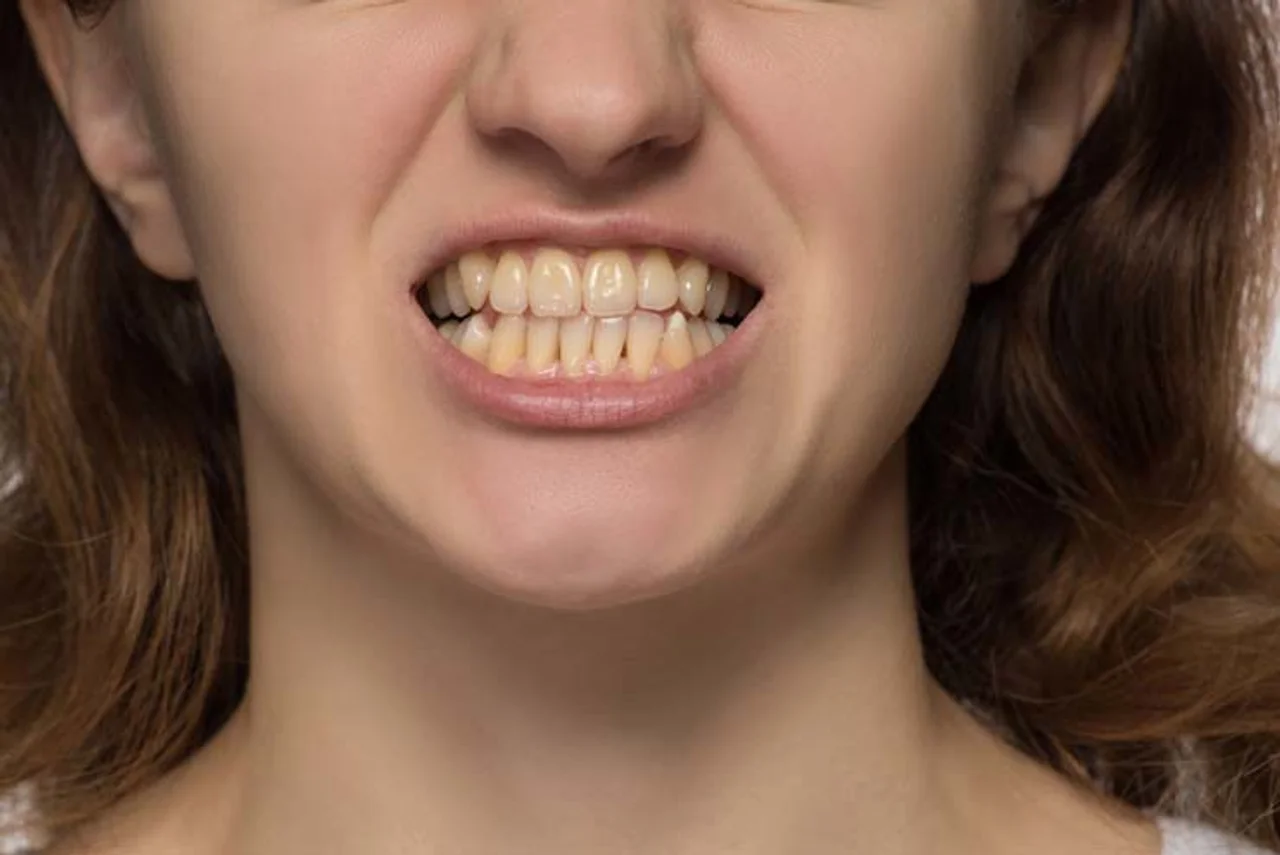
Schedule a ConsultationIntroduction\n\n \n\nYou walk into the clinic full of hope. Maybe you've seen friends emerge with dazzling white teeth after just one session, or perhaps you're preparing for a big event—a wedding, a graduation, a career-changing interview. You undergo the whitening treatment expecting to leave with a radiant smile. But when you check the mirror afterward, you feel underwhelmed. "Why didn't my teeth get whiter?" you wonder.\n\nThe truth is, you're not alone. At Smile View Dental Clinic in Gangnam, we meet many patients who have undergone whitening elsewhere or even tried at-home kits, only to be disappointed with the results. In this article, we delve into the often-misunderstood world of teeth whitening to explain why it sometimes doesn't deliver the glow you expected. More importantly, we offer insights on what to do next.\n\n## The Basics: Understanding Tooth Discoloration\n\nTo understand why whitening may fall short, it helps to start with a fundamental truth: not all stains are created equal.\n\n### Extrinsic vs. Intrinsic Stains\n\n- Extrinsic stains are surface-level discolorations caused by things like coffee, tea, red wine, soy sauce, tobacco, and plaque buildup. These are generally responsive to whitening treatments.\n\n- Intrinsic stains, on the other hand, reside deep within the tooth structure, often in the dentin layer. Causes include certain medications (like tetracycline), trauma, aging, or developmental conditions. These stains are far more resistant to conventional whitening.\n\nImagine trying to polish a stained marble—if the discoloration is embedded in the stone, surface cleaning won’t change much.\n\nThese categories are not just theoretical; they directly impact how we plan treatments. At Smile View Dental Clinic, we use diagnostic imaging and advanced shade mapping to differentiate between extrinsic and intrinsic discoloration. This ensures each patient receives a treatment tailored to the real cause of their staining.\n\n## The Factors That Influence Whitening Results\n\n
 \n\nEven when dealing with extrinsic stains, whitening outcomes can vary due to several biological and procedural variables.\n\n### 1. Enamel Thickness and Dentin Color\n\nAs we age, our enamel naturally wears down, making the yellowish dentin more visible. People with genetically thinner enamel may also have more visible dentin, making teeth appear darker regardless of whitening.\n\n### 2. Dental Restorations\n\n### 3. Root-Canal Treated Teeth\n\n### 4. Surface Build-Up: Plaque and Tartar\n\n### 5. Treatment Variables: Strength, Time, and Technique\n\n## When Whitening Alone Isn’t Enough\n\n

More Dental Articles
Continue reading our clinical dental guides.
Korean Dental Anesthesia Market: Projected $80M Revenue by 2035
In the rapidly evolving landscape of South Korean healthcare, patient comfort has transitioned from a luxury to a baseline expectation.
Learn More
Why Non-Surgical Orthodontics Reduces Long-Term Dental Costs
The landscape of dental care in South Korea is shifting rapidly as patients increasingly prioritize long-term functional health over quick aesthetic fixes.
Learn More
Comparing Orthodontic Treatment Fees: Korea vs Japan Benchmarks
The decision to pursue orthodontic treatment is a long-term investment in both oral health and facial aesthetics. For patients in the Asia-Pacific region, South Korea and Japan represent the two most prominent hubs for advanced dental care.
Learn More