Advanced Orthodontics, Implants & Cosmetic Dentistry in Gangnam, Seoul · International Patient Concierge

Dental Guide
98.9% Success: Digital Guided vs. Freehand Dental Implant Surgery in Korea
The demand for dental implants in South Korea has seen an unprecedented surge, with the number of procedures rising from roughly 50,000 in 2014 to over 1.7 million annually by 2022.
Schedule a ConsultationThe demand for dental implants in South Korea has seen an unprecedented surge, with the number of procedures rising from roughly 50,000 in 2014 to over 1.7 million annually by 2022. As Korea’s National Health Insurance (NHIS) expanded coverage for seniors, the focus has shifted from "if" a patient can get an implant to "how accurately" it can be placed.
At Smile View Dental , we observe that while traditional methods remain common, the integration of digital workflows is reshaping patient expectations. For the approximately 21.9% of the Korean population seeking dental restorations, the choice between "freehand" surgery—relying on a doctor's manual intuition—and "digital guided" surgery is becoming a critical factor in long-term success and post-operative comfort.
Digital Guided Implants in Korea: Benefits, Risks, and Ideal Candidates
What is Digital Guided Surgery?
Digital guided surgery uses 3D CT (Cone Beam Computed Tomography) and oral scans to create a virtual map of the patient’s jaw. This data is used to 3D-print a custom surgical guide that fits over the teeth or gums, acting like a GPS for the dentist to place the implant at the exact depth and angle planned.
Why Choose Guided over Freehand?
- Precision: Minimizes the risk of hitting sensitive nerves or sinus cavities.
- Minimally Invasive: Often requires smaller incisions (or no incisions at all), leading to less swelling.
- Speed: The actual placement time is often reduced because the "mapping" was done before the patient sat in the chair.
Dental Implant Costs and Outcomes: What Are the Benchmarks?
The "Standard Approach" in many Korean clinics still involves Freehand Surgery . While experienced surgeons achieve high success rates, this method relies heavily on tactile feedback and visual estimation during the procedure.
Common Pain Points of Traditional Methods:
- Higher Manual Error: Potential for slight angulation errors that may affect the prosthetic crown’s fit.
- Increased Recovery Time: Traditional "flap" surgery requires larger incisions and sutures.
- Re-intervention Rates: While low, complications like nerve damage (18.7% of legal dental claims in Korea) are more frequent in non-guided cases.
Cost Comparison Table: Korea vs. Global Benchmarks (2026)
| **Feature ** | ** Digital Guided Surgery (Seoul)** | ** Traditional Freehand (Seoul)** | ** Average Cost (USA/Japan)** |
|---|---|---|---|
| Typical Cost | ₩1.5M – ₩2.8M | ₩1.0M – ₩1.8M | ₩4.5M – ₩6.0M ($3,200+) |
| Success Rate | ~98.9% | ~97.7% | Varies by Provider |
| Recovery Time | 2–3 Days (Minimal Swelling) | 5–7 Days (Sutures involved) | 7+ Days |
| Tech Used | 3D CT, Trios Scanners, 3D Guide | Panoramic X-ray, Manual Drill | Standard Imaging |
Innovative Approach: AI-Assisted Planning & 3D Navigation
At the forefront of Korean dental care is AI-assisted digital planning. This approach removes the "guesswork" from the surgical theater and moves it to a high-precision digital lab.
How it Works:
Is Digital Guided Surgery in Korea worth the extra cost?
More Dental Articles
Continue reading our clinical dental guides.
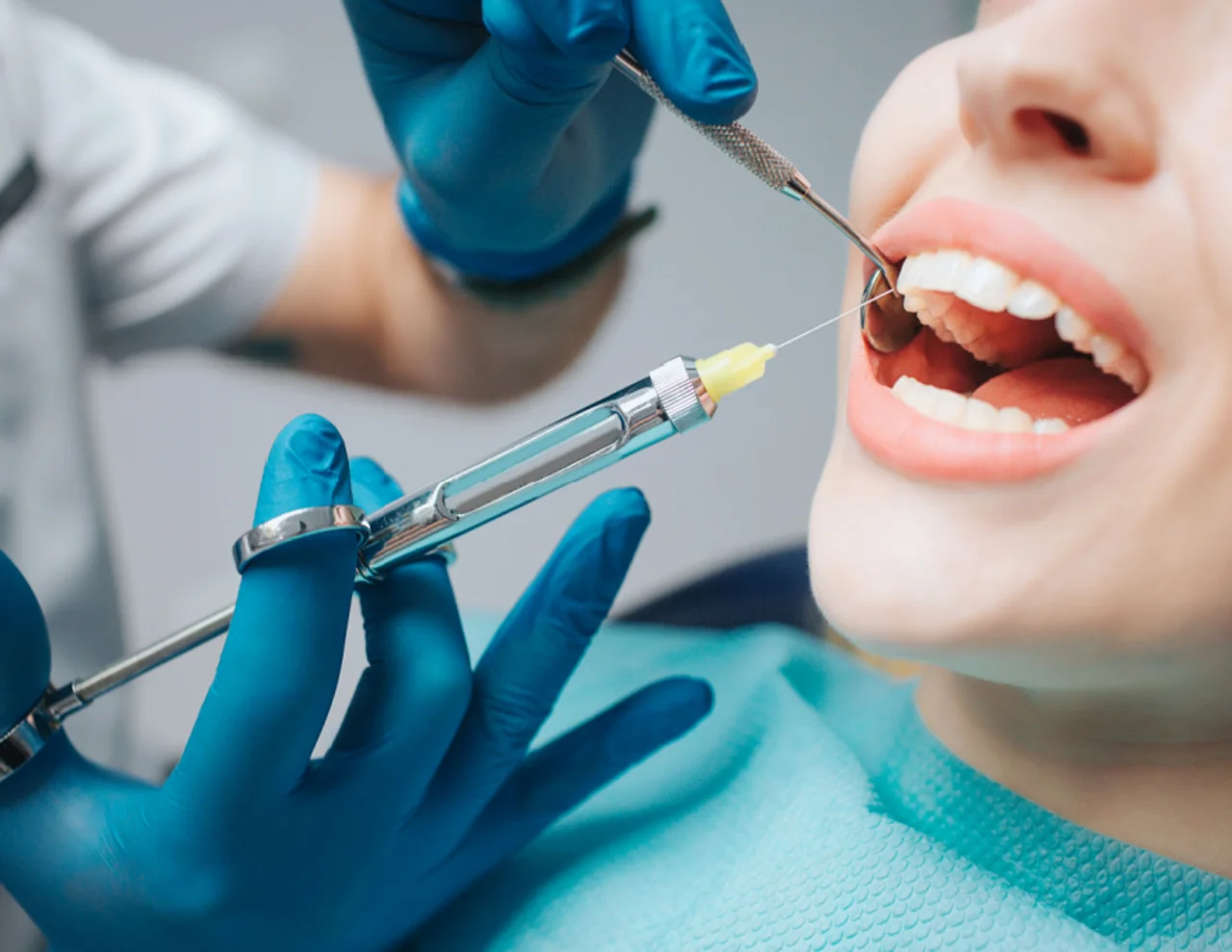
Korean Dental Anesthesia Market: Projected $80M Revenue by 2035
In the rapidly evolving landscape of South Korean healthcare, patient comfort has transitioned from a luxury to a baseline expectation.
Learn More

Why Non-Surgical Orthodontics Reduces Long-Term Dental Costs
The landscape of dental care in South Korea is shifting rapidly as patients increasingly prioritize long-term functional health over quick aesthetic fixes.
Learn More
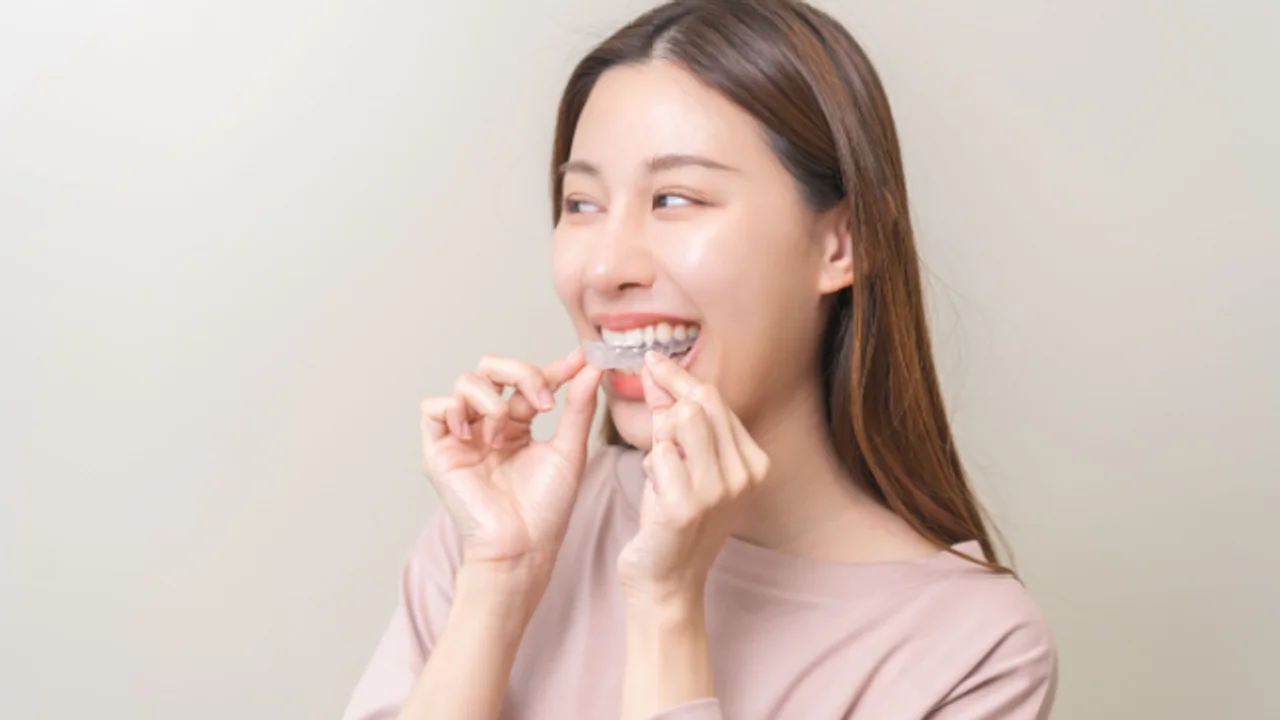
Comparing Orthodontic Treatment Fees: Korea vs Japan Benchmarks
The decision to pursue orthodontic treatment is a long-term investment in both oral health and facial aesthetics. For patients in the Asia-Pacific region, South Korea and Japan represent the two most prominent hubs for advanced dental care.
Learn More